¿qué estás buscando?
?

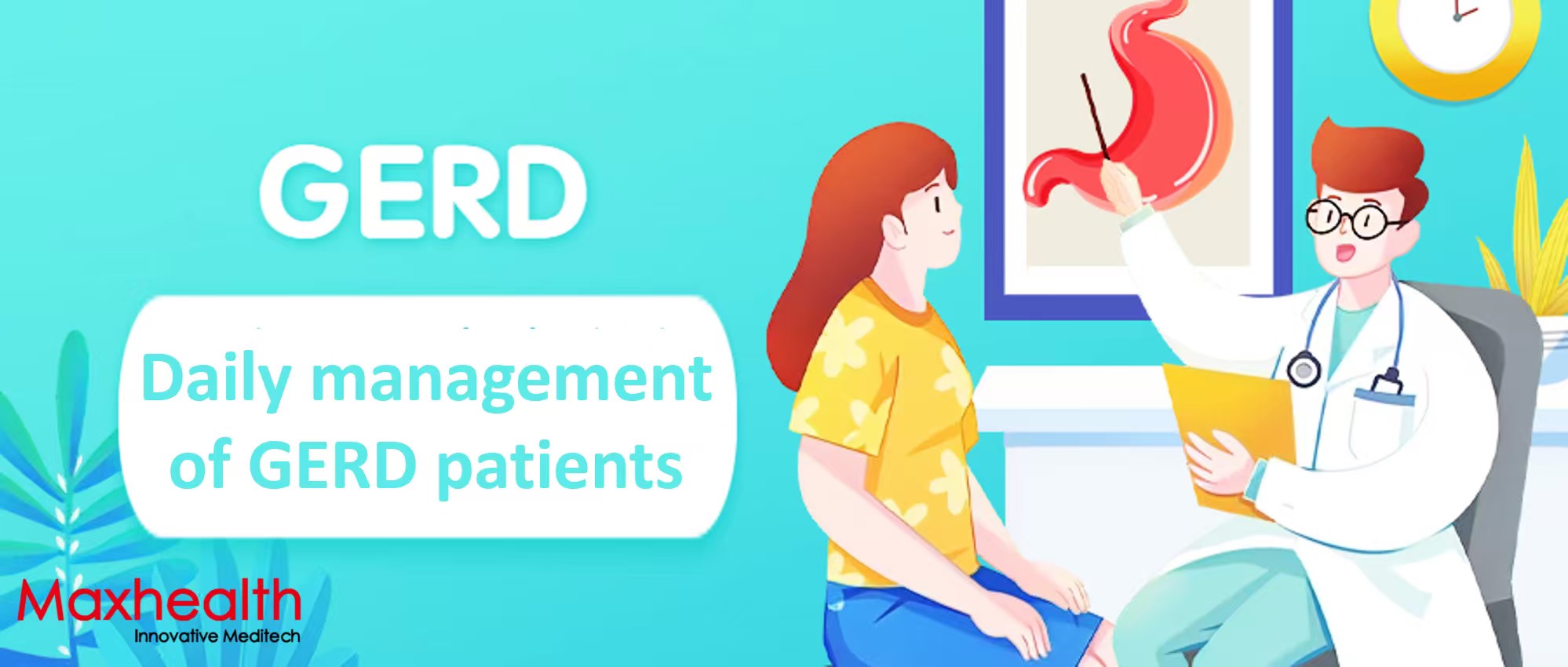 La enfermedad por reflujo gastroesofágico (ERGE) es una afección crónica en la que el ácido estomacal regresa con frecuencia al esófago. Si bien a menudo se requieren medicamentos, las investigaciones confirman que ciertos cambios en el estilo de vida son la base de un tratamiento eficaz y pueden reducir significativamente los síntomas. Este artículo describe seis estrategias prácticas, respaldadas por la investigación, para ayudarle a controlar la ERGE.
Por qué el estilo de vida es importante en el manejo de la ERGE
La ERGE es una afección crónica que, si no se trata adecuadamente, puede provocar complicaciones como esofagitis o tos crónica. El consenso de expertos enfatiza que adaptar los hábitos diarios es fundamental para el tratamiento, ya que ayuda a los pacientes a evitar desencadenantes comunes.
Seis estrategias clave de estilo de vida para el alivio de la ERGE
Un estudio de 2021 publicado en The New England Journal of Medicine destacó cinco hábitos saludables que reducen el riesgo de ERGE. Combinados con la investigación sobre la postura al dormir, conforman un enfoque integral:
1. Mantener un peso saludable
La obesidad es un factor de riesgo importante. Los estudios demuestran que un índice de masa corporal (IMC) más alto se relaciona sistemáticamente con un mayor riesgo de ERGE, y que cada unidad de aumento del IMC incrementa el riesgo en aproximadamente un 30 %. Perder incluso un 10 % del peso corporal puede mejorar notablemente los síntomas del reflujo.
2. Deje de fumar
En comparación con los no fumadores, los fumadores actuales o ex fumadores tienen entre un 29 y un 37 % más de probabilidades de desarrollar ERGE.
3. Realice actividad física moderada
Intente hacer al menos 30 minutos de ejercicio moderado al día (p. ej., caminar a paso ligero, trotar). Evite acostarse inmediatamente después de las comidas; una actividad posterior, como una caminata corta, es beneficiosa.
4. Adopte una dieta adecuada para la ERGE
Reduzca o evite los irritantes como el té fuerte, el café, las bebidas azucaradas, las bebidas carbonatadas (refrescos, cola) y el alcohol.
Limite el consumo de carne roja, alimentos fritos, dulces, alimentos picantes y alimentos altamente procesados.
5. Cuida tus horarios de comida y sueño
Practique comer porciones más pequeñas y frecuentes. Evite comer 2 o 3 horas antes de acostarse para permitir que el estómago se vacíe parcialmente.
6. Considere la posición para dormir del lado izquierdo
Los síntomas nocturnos son un gran desafío para muchas personas con ERGE. Un estudio publicado en The American Journal of Gastroenterology reveló que dormir del lado izquierdo reduce significativamente la exposición nocturna al ácido y mejora su eliminación, en comparación con dormir boca arriba o del lado derecho. Esta posición puede ser especialmente beneficiosa, aunque las reacciones individuales pueden variar.
El manejo eficaz de la ERGE suele requerir una combinación de enfoques. Integrar estas modificaciones en el estilo de vida, como cambios en la dieta y dormir del lado izquierdo, puede proporcionar un alivio sustancial de los síntomas y se recomienda como componente fundamental de su plan de manejo. Consulte siempre a su médico para obtener asesoramiento médico personalizado.



Derechos de autor
@ 2026 Maxhealth Innovative Meditech (Wuxi) Ltd Reservados todos los derechos
.  RED SOPORTADA
Dejar un mensaje