¿qué estás buscando?
?

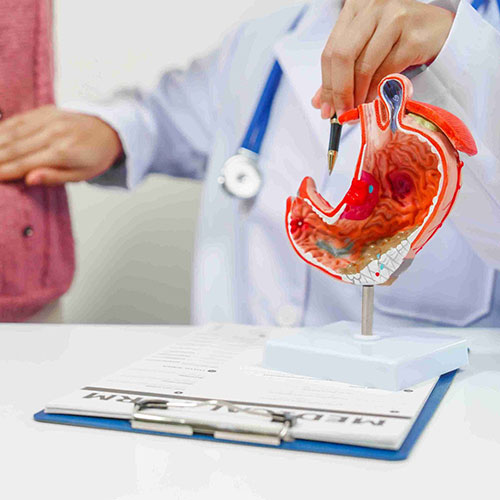
¿Ese repentino sabor agrio que sube a la garganta después de una comida o un refrigerio nocturno? Muchos lo consideran normal, pero podría ser un signo de la enfermedad por reflujo gastroesofágico (ERGE), un trastorno digestivo común, aunque a menudo malinterpretado.
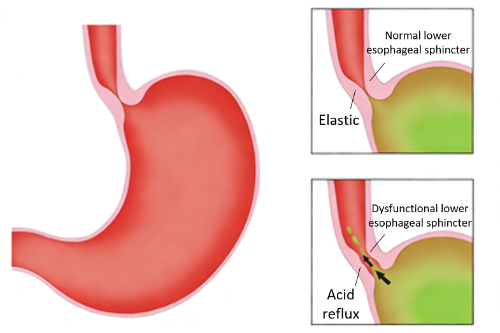
La ERGE se produce cuando el contenido del estómago o del duodeno regresa al esófago. Más allá de los síntomas clásicos como acidez estomacal, regurgitación ácida e hinchazónPuede camuflarse como dolor de pecho, dificultad para tragar, tos crónica, laringitis o incluso asma. Esta versatilidad lo convierte en un experto en el camuflaje en el mundo médico.
Si sospecha que tiene ERGE, es fundamental buscar una evaluación profesional. El diagnóstico suele implicar una combinación de pruebas, cada una de las cuales evalúa un aspecto diferente de la afección.
1. Ensayo sobre inhibidores de la bomba de protones (IBP)
Un ensayo con IBP implica tomar medicamentos supresores de la acidez (p. ej., omeprazol, rabeprazol) durante 4 a 8 semanas. Una mejoría significativa de los síntomas sugiere ERGE. Sin embargo, con una especificidad de tan solo el 40-50 %, esta prueba por sí sola no es definitiva. Una respuesta negativa requiere mayor investigación, y una positiva debe combinarse con otras pruebas para descartar afecciones como cáncer de esófago o úlceras pépticas.

2. Detección de pepsina en saliva
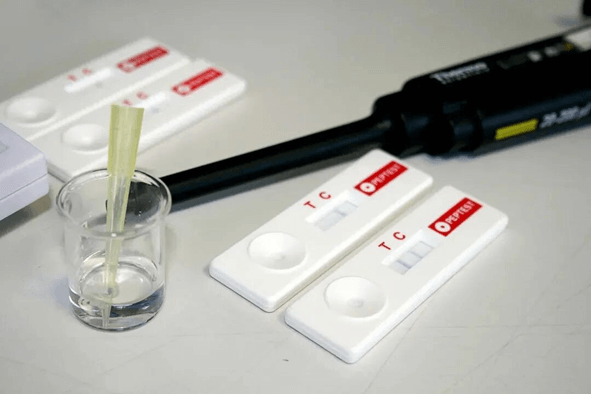
Este es el más simple y no invasivo Método para detectar el reflujo. Es ideal para niños, ancianos o pacientes intolerantes a procedimientos invasivos. La prueba analiza una muestra de saliva para detectar la presencia de... pepsina, una enzima estomacal que indica reflujo. Proporciona resultados objetivos en 15 minutos, ofreciendo una pista diagnóstica rápida, precisa y amigable para el paciente, particularmente para el reflujo laringofaríngeo (LPR).
3. Endoscopia superior (gastroscopia)
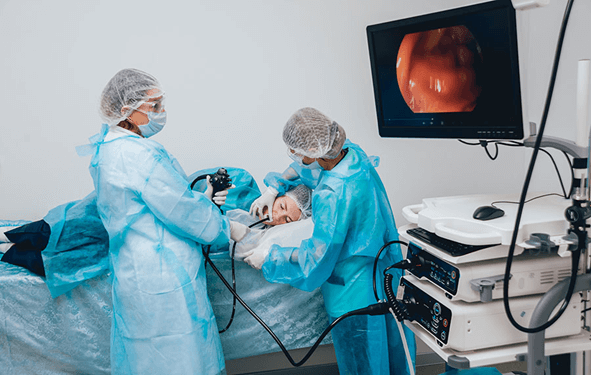
Se introduce por la boca un tubo delgado y flexible con una cámara para examinar el esófago y el estómago. Esto permite la visualización directa de la inflamación. esófago de Barrett (un cambio precanceroso), hernias hiatales y otras complicaciones. Es esencial para evaluar el daño tisular y detectar neoplasias malignas.
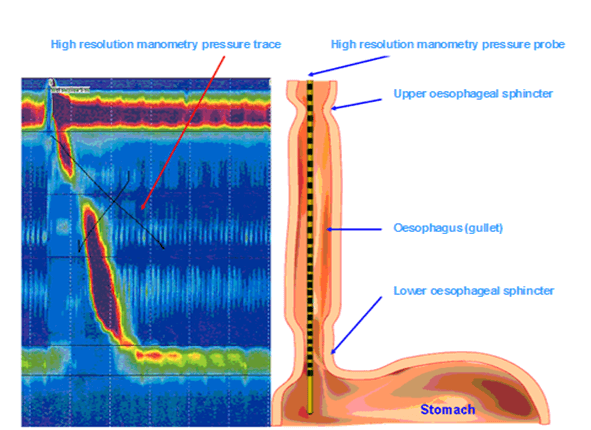
4. Manometría esofágica de alta resolución
Esta prueba mide las ondas de presión en el esófago mediante un catéter delgado que se inserta por la nariz. Evalúa la función y la coordinación de los músculos esofágicos y... Esfínter esofágico inferior (EEI), crucial para diagnosticar trastornos de la motilidad y planificar cirugías antireflujo, especialmente en casos de hernia hiatal.
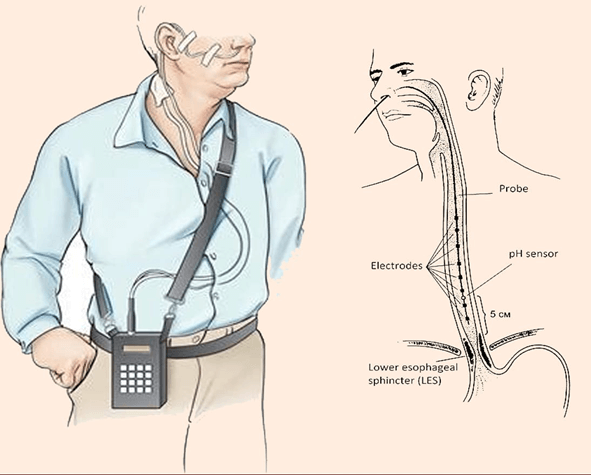
5. Monitoreo de pH-impedancia durante 24 horas
Considerado un estándar de oro para detectar episodios de reflujo, este procedimiento consiste en colocar una sonda delgada de monitoreo en el esófago durante 24 horas. Mide tanto el pH (acidez) como la impedancia (movimiento de líquido/gas), identificando reflujo ácido, débilmente ácido y no ácido eventos. Estos datos son invaluables para orientar las estrategias de tratamiento y evaluar los resultados quirúrgicos.
6. Monitoreo del pH orofaríngeo (p. ej., Dx-pH)
Mediante una sonda ultrafina que se coloca en la garganta, esta prueba detecta cantidades mínimas de gas ácido o alcalino en la faringe. Es una herramienta clave para el diagnóstico. Reflujo laringofaríngeo (RLF), ayudando a vincular síntomas como ronquera, carraspeo crónico y tos directamente con el reflujo.




Derechos de autor
@ 2026 Maxhealth Innovative Meditech (Wuxi) Ltd Reservados todos los derechos
.  RED SOPORTADA
Dejar un mensaje