¿qué estás buscando?
?

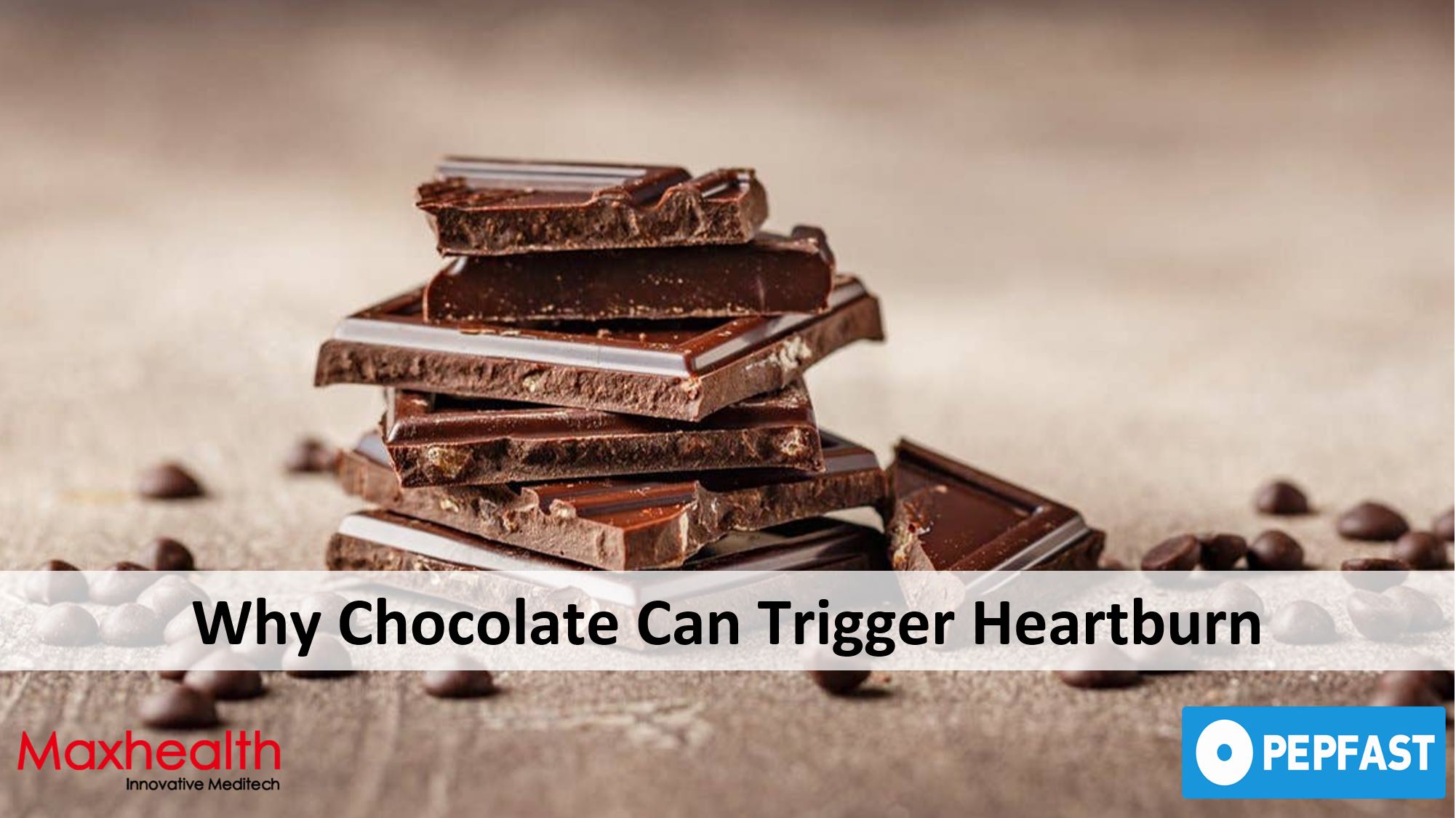
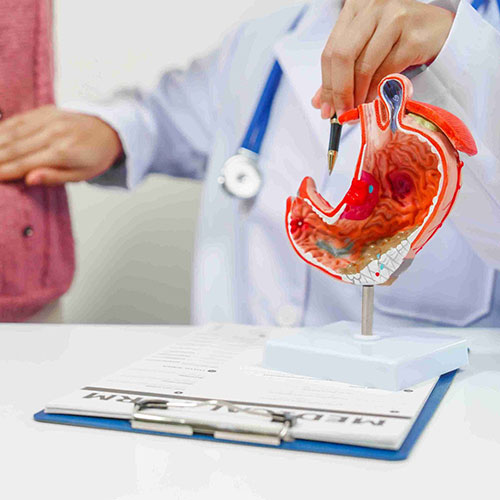
Para quienes son golosos, las fiestas navideñas suelen traer consigo una avalancha de dulces de chocolate: tabletas, trufas y, sobre todo, huevos de Pascua. Sin embargo, lo que resulta agradable al paladar puede provocar posteriormente una sensación de ardor en el pecho o la garganta. El consumo excesivo de chocolate es un desencadenante bien conocido de enfermedad por reflujo gastroesofágico (ERGE) Síntomas. Comprender los componentes que hacen que el chocolate sea problemático puede ayudar a quienes padecen reflujo a tomar decisiones más acertadas sin renunciar por completo a su capricho favorito.
El esfínter esofágico inferior (EEI) es un músculo en forma de anillo que separa el estómago del esófago. Normalmente, se abre para permitir el paso de los alimentos al estómago y se cierra para evitar que el contenido estomacal regrese. Ciertos componentes de la dieta pueden debilitar o relajar el EEI, y el chocolate contiene varios de ellos.【1】.
Cafeína es uno de los culpables más conocidos. Al relajar el esfínter esofágico inferior (EEI), la cafeína permite que el ácido gástrico escape al esófago, causando la típica sensación de acidez estomacal. Sin embargo, la cafeína no es el único factor. El chocolate también contiene teobrominaLa teobromina es un alcaloide amargo que se encuentra de forma natural en los granos de cacao, las hojas de té y los granos de café. Es estructural y químicamente similar a la cafeína y se ha demostrado que también relaja el esfínter esofágico inferior (EEI), lo que aumenta aún más el riesgo de reflujo ácido.【2】El chocolate negro, que tiene concentraciones más altas tanto de teobromina como de cafeína, es especialmente potente para desencadenar síntomas.
Además de su contenido en metilxantinas, el chocolate suele ser rico en grasas y calorías. Las comidas ricas en grasas ralentizan el vaciamiento gástrico, el proceso por el cual el estómago mueve su contenido hacia el intestino delgado. Un estómago lleno durante un período prolongado aumenta la presión sobre el esfínter esofágico inferior (EEI). Cuando el EEI está bajo presión constante, puede abrirse de forma inapropiada, permitiendo que el ácido y otros contenidos del estómago refluyan hacia el esófago, lo que provoca acidez estomacal, regurgitación e indigestión.【1】.
Además, el consumo excesivo y frecuente de alimentos ricos en calorías puede provocar aumento de peso. El exceso de peso corporal, especialmente la grasa abdominal, aumenta la presión intraabdominal, lo que a su vez empuja el contenido del estómago hacia arriba. La obesidad es un factor de riesgo bien establecido para la ERGE, y el control del peso se suele recomendar como una intervención de primera línea.【3】Por lo tanto, el problema con el chocolate es doble: el consumo excesivo agudo puede desencadenar síntomas inmediatos, mientras que el consumo excesivo habitual puede empeorar la enfermedad subyacente.
No todas las personas con reflujo experimentarán síntomas después de comer chocolate. La susceptibilidad individual varía mucho. Algunas personas toleran un trozo pequeño de chocolate con leche sin problema, mientras que otras pueden reaccionar incluso con unos pocos bocados. El chocolate con leche generalmente contiene menos sólidos de cacao (y, por lo tanto, menos teobromina y cafeína) que el chocolate negro, lo que lo convierte en una opción potencialmente más segura para quienes son sensibles.
Si eres propenso al reflujo, no es necesario que elimines el chocolate por completo. En su lugar, ten en cuenta los siguientes consejos prácticos:
Limítate a porciones pequeñas – un solo cuadradito de chocolate con leche en lugar de una tableta entera.
Evita comer chocolate cerca de la hora de acostarte. – Acostarse poco después de ingerir un tentempié rico en grasas y azúcares aumenta la probabilidad de sufrir reflujo nocturno.
Manténgase erguido durante al menos dos o tres horas después de haber comido. – La gravedad ayuda a mantener el contenido del estómago en el interior.
Bebe mucha agua. Esto puede ayudar a diluir el ácido estomacal y a eliminar cualquier material que haya refluido.
Si los síntomas persisten a pesar de los ajustes en la dieta, las pruebas objetivas pueden ayudar a confirmar si el reflujo es realmente la causa.
Muchas personas asumen que cualquier sensación de ardor después de comer chocolate se debe al reflujo ácido, pero los síntomas a veces pueden ser causados por otras afecciones, como acidez estomacal funcional, esofagitis eosinofílica o incluso problemas cardíacos. Confiar únicamente en los síntomas puede llevar al uso innecesario de medicamentos a largo plazo o a diagnósticos erróneos.
Un simple, prueba de reflujo no invasiva como Pepfast kit de detección de pepsina puede proporcionar evidencia objetiva. Detecta la presencia de pepsina La pepsina, una enzima digestiva producida únicamente en el estómago, se detecta en una pequeña muestra de saliva. Su presencia nunca debería ser un indicador directo de reflujo gástrico. La prueba dura solo unos minutos y no requiere sondas, endoscopios ni sedación.
Para quienes no están seguros de si el chocolate u otros alimentos les provocan reflujo, la prueba Pepfast puede ofrecer una respuesta clara. Además, se puede repetir tras realizar cambios en la dieta para comprobar si los episodios de reflujo han disminuido.
1. ¿Por qué el chocolate provoca acidez estomacal en algunas personas pero no en otras?
El chocolate contiene cafeína y teobromina, que relajan el esfínter esofágico inferior (EEI). También tiene un alto contenido de grasa, lo que retrasa el vaciamiento gástrico. Las personas con un EEI naturalmente más débil o un esófago más sensible son más propensas a experimentar síntomas después de comer chocolate.【1】【2】.
2. ¿Es el chocolate negro peor para el reflujo que el chocolate con leche?
Sí, en general. El chocolate negro tiene mayor concentración de sólidos de cacao, lo que significa más teobromina y cafeína. El chocolate con leche contiene menos cacao y más grasa láctea, lo que puede resultar menos irritante para algunas personas, aunque el contenido de grasa aún puede ser problemático.
3. ¿Puedo seguir comiendo chocolate si tengo ERGE?
Posiblemente, en pequeñas cantidades y con precauciones. Evite las porciones grandes, consúmala temprano en el día y no se acueste después. Llevar un diario de alimentos puede ayudarle a identificar su nivel de tolerancia personal.
4. ¿Cómo puedo saber si mis síntomas después de comer chocolate se deben realmente al reflujo?
Puedes utilizar una prueba objetiva como por ejemplo: PepfastEsta prueba detecta la pepsina en la saliva. Un resultado positivo confirma que el contenido del estómago ha llegado a la garganta, lo que indica reflujo. Es más fiable que el autodiagnóstico basado en los síntomas.
【1】Kahrilas PJ, et al. Actualización de la práctica clínica: manejo de la enfermedad por reflujo gastroesofágico. Gastroenterología. 2020;158(5):1211‑1224.
【2】Richter JE, et al. El papel de los componentes dietéticos en la patogénesis de la enfermedad por reflujo gastroesofágico. Anales de la Academia de Ciencias de Nueva York. 2016;1380(1):132‑140.
【3】Jacobson BC, et al. Índice de masa corporal y síntomas de reflujo gastroesofágico en mujeres. Revista de Medicina de Nueva Inglaterra. 2006;354(22):2340‑2348.



Derechos de autor
@ 2026 Maxhealth Innovative Meditech (Wuxi) Ltd Reservados todos los derechos
.  RED SOPORTADA
Dejar un mensaje